

New Delhi [India], June 13: There was a stretch of time when everyone wanted to break free from the ordinary. Success meant showing off a life that looked exciting—constant travel, a buzzing social life, fancy dinners, climbing the career ladder, and posting snapshots from places other people probably hadn’t even heard of. The quiet stuff? That was just something you waded through while waiting for the real thing to begin.
But that mindset’s losing its grip.
Now, wherever you look—online, in neighborhood cafés, bookstores, just walking down the block—people are leaning into the routines they once shrugged off. That morning coffee at home isn’t just a cup of caffeine; it’s become a little ceremony. Evening walks have nudged aside the urge to plan flashy weekends. Reading before bed feels more nourishing than staring at your phone until midnight. Even cooking dinner from scratch has become something people linger over instead of rushing through.
This isn’t just nostalgia or a longing for some imagined simpler time. It’s how exhaustion shows up.
The past decade had everyone chasing speed. Every new app or platform pushed for more—more achievements, more trips, more stuff to post about. Productivity became a personality trait. Even downtime turned into a kind of contest. Vacations weren’t only for relaxing; you had to show proof. Hobbies got monetized. Even rest needed to look good to count.
Life slowly switched from being lived to being curated.
The pandemic hit and fast-forwarded a change that was already brewing. Suddenly, with so much activity stripped away, people took notice of things they’d ignored: the smell of baking bread, the way sunlight falls across the floor, quiet time with their plants, calling family just to talk, or simply sitting and letting silence fill the room.
A lot of people thought those small joys would fade away once things “went back to normal.”
Funny thing—they stuck around.
This shift isn’t just about lifestyle trends. It’s a sign that people are turning away from the idea that happiness is always somewhere else—waiting in a new job, a new city, a new gadget, the next big trip.
More and more, people are asking: What if a good life is right here?
That’s why you see more slow mornings, local coffee shops filling up, blank journals getting filled page by page, neighbors digging into community gardens, small independent bookstores, and travel that never crosses a border. None of these promise a complete transformation. They just invite you to actually be where you are.
And here’s the twist: social media is fueling this shift too—even though it helped build the opposite pressure in the first place. The feeds that used to overflow with luxury and perfection now feel cozier. There are creators quietly filming their routines, showing off a tiny kitchen or a simple homemade meal, or just an uneventful afternoon. The magic is that people can actually see themselves in these moments.
These days, viewers aren’t hunting for flawless lives.
They just want something real.
That might be the biggest shift of all. Authentic, everyday experiences have started to matter more than big dreams or curated perfection. In a world packed with algorithms and digital noise, real moments feel rare and precious.
Breakfast without a rush. The sound of birds at dusk. Reading a paperback as rain taps the windows. These things can’t be packaged or produced. They happen when you’re actually there in your own life—not halfway out the door.
Still, let’s not pretend it’s all simple. Not everyone has the chance to “slow down.” Bills need paying, work piles up, and some people barely have a spare minute. And turning simplicity into a “look”—with expensive gear and effortless minimalism—just makes it another thing to strive for and document.
Once you turn simplicity into a performance, the point gets lost.
Ordinary life isn’t about how things look; it’s about how they feel.
It’s claiming little moments with no need to post about them or get anyone’s approval.
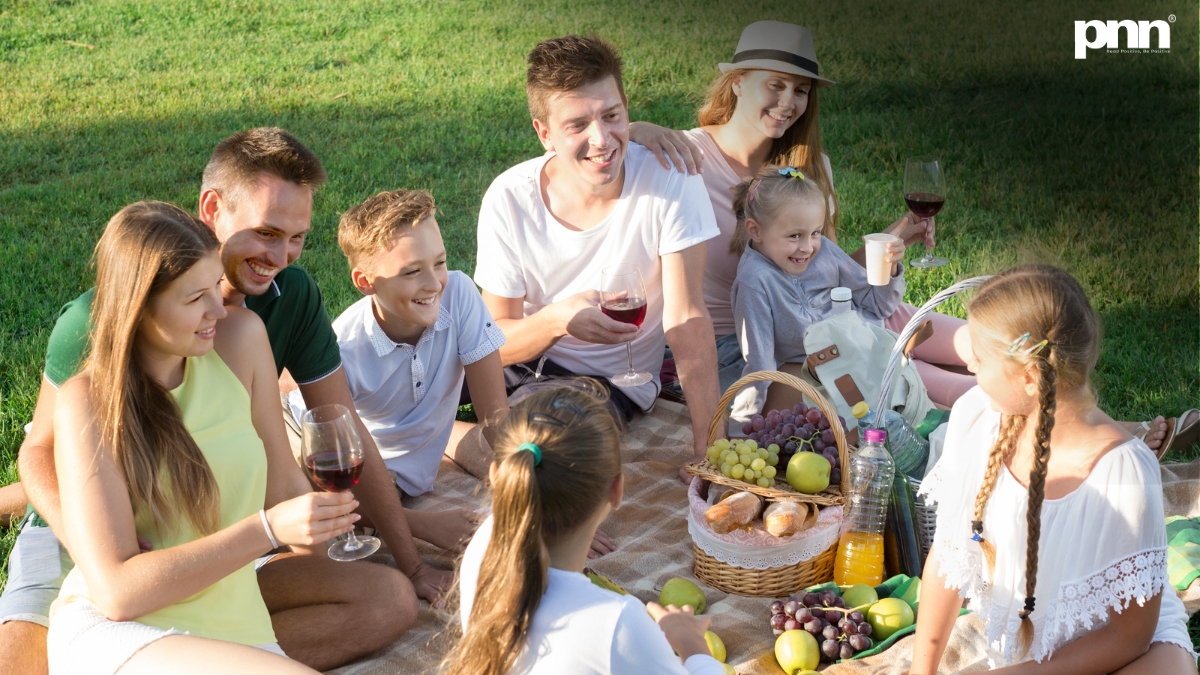
Breakfast with family. Watering the same stubborn plant every morning. Watching the sky’s colors shift before bed. Walking just for the sake of it—not to win at fitness tracking. Laughing about nothing in particular, with no photo evidence.
These don’t make headlines or go viral. But later on, they’re often the memories that matter most.
Maybe that’s why so many are drawn toward a slower pace now. The modern world is brilliant at keeping us busy and occupied, but not so great at leaving us actually content. It offers endless distractions and connections, but real satisfaction tends to show up in those unremarkable, quiet moments.
Ordinary life doesn’t need much.
It doesn’t want you to buy your way in or reinvent yourself. All it asks is that you pay a little more attention.
Maybe that gentle breeze in the evening really was enough.
Maybe unrushed coffee always tasted better.
Maybe conversations face-to-face meant more than a hundred notifications.
Maybe happiness was never hiding in far-off dreams. Maybe it’s always lived in daily life, right in front of you, just waiting to be noticed.
So falling in love with ordinary days isn’t about settling for less. It’s about reclaiming what truly counts. Instead of competing for impressive headlines, people are choosing lives that feel better on the inside—even if they’re quiet from the outside.
And in a world that never stops shouting for attention, maybe the most daring thing left is this: come home, make some tea, wander as the sun goes down, and realize that nothing about an ordinary day was ever ordinary at all.
