

Mumbai (Maharashtra) [India], July 11: Every four years, football politely reminds the world that it was never just about ninety minutes on a pitch. Streets transform into fan zones, cafés become miniature stadiums, wardrobes suddenly acquire suspicious amounts of national colours, and people who couldn’t locate a football last month somehow develop passionate opinions about formations and substitutions. The FIFA World Cup doesn’t simply dominate sports headlines; it quietly infiltrates everyday life. From fashion and food to travel and social habits, the tournament has evolved into one of the world’s most influential lifestyle events, proving that the biggest trophy isn’t always lifted on the field. Sometimes, it’s carried home in a shopping bag.
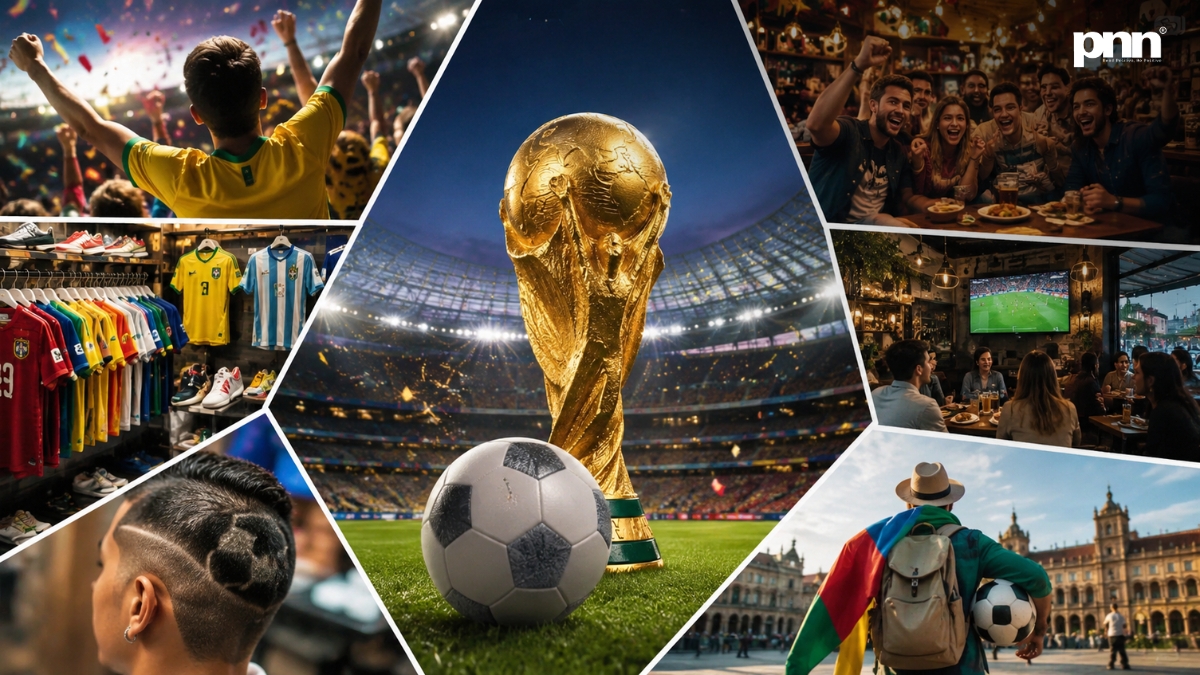
As the tournament continues capturing global attention, businesses, tourism operators, and retailers are witnessing a familiar surge in football-inspired consumer behaviour. Across several countries, themed cafés, public screenings, limited-edition merchandise, football-inspired hairstyles, and travel experiences have become part of the broader World Cup economy. The tournament’s influence now stretches well beyond stadium gates, creating opportunities across industries that have little to do with scoring goals.
Apparently, football found a way to sell coffee, sneakers, and haircuts.
When Football Escapes The Stadium
Major sporting events have always influenced popular culture, but the World Cup occupies a league of its own.
Its global audience regularly reaches billions of viewers, making it one of the largest recurring sporting spectacles on the planet. That enormous attention naturally spills into lifestyle industries, where brands race to create experiences rather than simply products.
Restaurants introduce football-themed menus, cafés organise live screenings, shopping centres host fan festivals, while fashion retailers launch jerseys, sneakers, and accessories inspired by participating nations.
The match may last ninety minutes.
The marketing campaign lasts months.
Fashion Finds A New Captain
Football has increasingly become part of mainstream fashion.
Replica jerseys have evolved beyond sportswear into everyday streetwear, while scarves, sneakers and national-colour collections frequently dominate seasonal retail displays during tournament periods. Hairstyles inspired by popular players and limited-edition collaborations between sportswear brands and designers continue attracting younger consumers.
For many fans, supporting a team now extends beyond cheering from the stands.
It becomes a wearable identity.
Sometimes, permanently, if someone gets an unfortunate tattoo before the knockout stage.
The Business Of Shared Experiences
The World Cup has also transformed how people socialise.
Public screenings, rooftop events, and themed cafés have become gathering spaces where strangers celebrate or collectively question refereeing decisions, as though they’ve supported the same team since childhood.
The broader economic impact reaches sectors including:
- Hospitality and themed dining experiences.
- Sports merchandise and licensed apparel.
- Domestic and international sports tourism.
- Entertainment venues hosting live screenings.
For businesses, the tournament represents more than entertainment.
It represents footfall.
Travel Follows The Tournament
Host cities naturally experience increased tourism during World Cup competitions, but the ripple effects extend much further.
Football enthusiasts increasingly plan vacations around matches, fan festivals, and stadium tours. Even countries not hosting games often organise community events that stimulate local hospitality businesses.
Travel companies have responded by introducing football-themed itineraries, while airlines and hotels frequently experience higher demand around major fixtures.
The beautiful game, it seems, travels exceptionally well.
Every Trend Has Its Extra Time
The tournament’s lifestyle influence isn’t entirely positive.
Consumer enthusiasm often encourages impulse spending on merchandise that may lose relevance once the final whistle blows. Counterfeit products also tend to surge during major sporting events, creating challenges for brands and consumers alike.
Other concerns include:
- Over-commercialisation of fan culture.
- Excessive spending driven by limited-edition marketing.
- Waste generated by disposable decorations and merchandise.
- Crowding at public screenings and entertainment venues.
Football inspires passion.
Marketing occasionally mistakes that for unlimited spending power.
Why The FIFA World Cup Feels Bigger Than Sport
The enduring appeal of the FIFA World Cup lies in its ability to unite people across cultures, languages, and generations. Whether through neighbourhood screenings, themed cafés or spontaneous conversations between strangers, the tournament creates shared experiences that few global events can replicate.
Its influence on lifestyle trends reflects something deeper than consumer behaviour.
People aren’t simply buying jerseys.
They’re buying belongings.
Perhaps that’s why the World Cup continues shaping fashion, travel, and everyday culture long after kickoff.
Because football doesn’t merely change scoreboards.
For a few unforgettable weeks, it quietly changes how the world dresses, dines, travels, and celebrates together.
