

New Delhi [India], July 3: India’s aspirations to emerge as a global manufacturing hub are growing beyond electronics and semiconductors to sectors that are the lifeblood of industrialisation. The demand for metals, especially aluminium, is predicted to be a key factor as sectors like renewables, electric mobility, construction, railways, and power transmission continue to grow. In this context, companies are investing substantial funds in developing domestic production capacity and reducing dependence on imported value-added products.
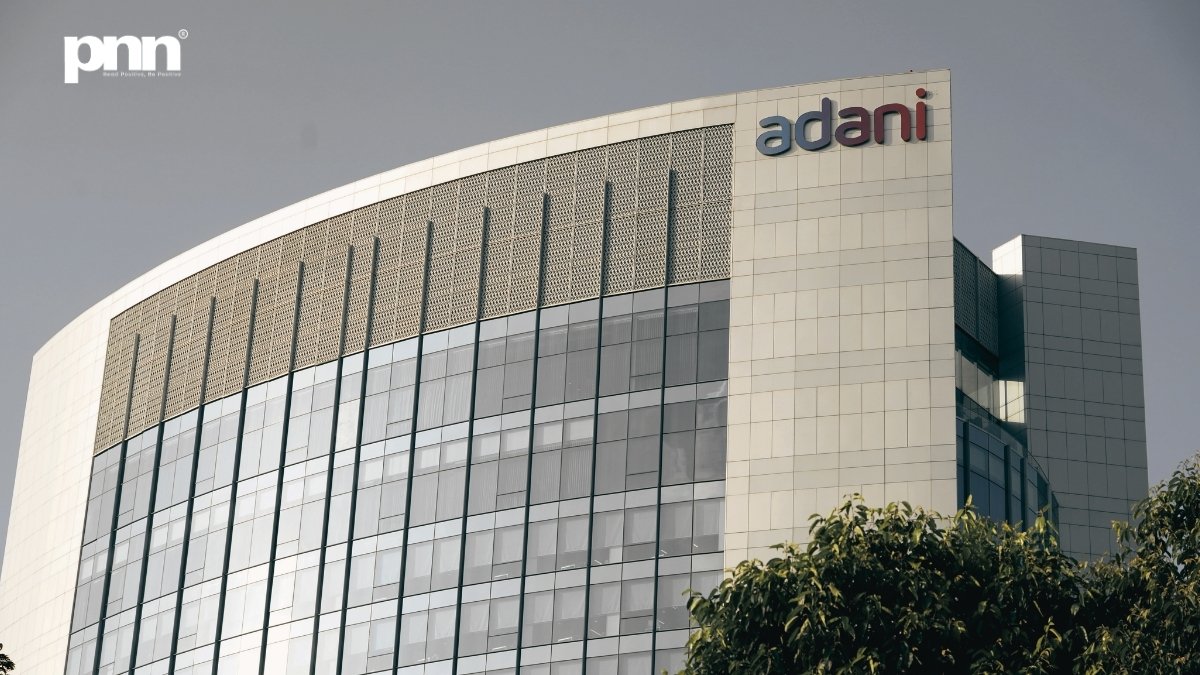
The biggest bet in this area has been by Adani Enterprises and Abu Dhabi-based International Holding Company (IHC), which have partnered through International Resources Holding (IRH) to develop a major integrated aluminium project in Odisha. The proposed investment of $11.5 billion (around ₹1.08 lakh crore) will be one of the largest investments in India’s metals sector and marks Adani Group’s first major entry into aluminium manufacturing.
The partners are not considering the construction of a separate smelter but rather an integrated manufacturing ecosystem. The project will include a 4 million tonne alumina refinery, a 2 million tonne aluminium smelter, a 4,000 MW captive power plant, and downstream manufacturing facilities with an annual capacity of nearly 1 million tonnes of aluminium products. It will be developed as a 50:50 joint venture between Adani Enterprises and IRH.
The selection of Odisha has been linked to both geographical and economic factors. The state holds some of India’s largest bauxite reserves and has long been a major aluminium-producing region. Its existing industrial infrastructure and port connectivity make it a strategic location for such a project. By integrating refining, smelting and downstream processing at one site, the partners aim to improve supply-chain efficiency and reduce logistics costs.
The investment also comes at a time when India’s aluminium demand is expected to rise steadily. Lightweight metals are becoming increasingly important for electric vehicles, renewable energy projects, transmission networks and infrastructure development. While India is already among the world’s leading aluminium producers, additional domestic capacity will be needed to meet the growing demand for value-added aluminium products.
For the Adani Group, the project further expands its presence in the industrial materials segment. After entering copper manufacturing through its Gujarat smelter, the conglomerate is now moving into another strategic metal that supports infrastructure, energy and manufacturing. The move aligns with the group’s broader strategy of building integrated industrial platforms to support India’s long-term economic growth.
The project is expected to be developed in phases and is projected to generate more than 53,000 employment opportunities across construction and operations. According to the companies, the first phase will account for the bulk of the planned investment, with further expansion to follow. The final construction timeline will depend on regulatory approvals and project execution.
The partnership also strengthens IHC’s growing investment relationship with India. The Abu Dhabi-based investment group has steadily expanded its presence across India’s infrastructure and industrial sectors, viewing the country as a long-term growth market. The aluminium venture further reinforces that strategic partnership while bringing significant international capital into India’s manufacturing ecosystem.
The announcement is also expected to reshape India’s competitive aluminium industry, which has traditionally been dominated by a handful of established players. A new integrated producer backed by substantial investment could enhance domestic production capacity and encourage further investments across the aluminium value chain. At the same time, execution, commodity prices, raw material availability and downstream demand will remain key factors in determining the project’s long-term success.
Projects like these highlight a broader shift in India’s industrial strategy. Investment is no longer focused solely on expanding production volumes but also on building integrated manufacturing ecosystems that create greater domestic value addition. The Adani-IHC partnership reflects this approach by combining global investment with India’s natural resource base to create long-term industrial capacity rather than simply adding another manufacturing facility.
