

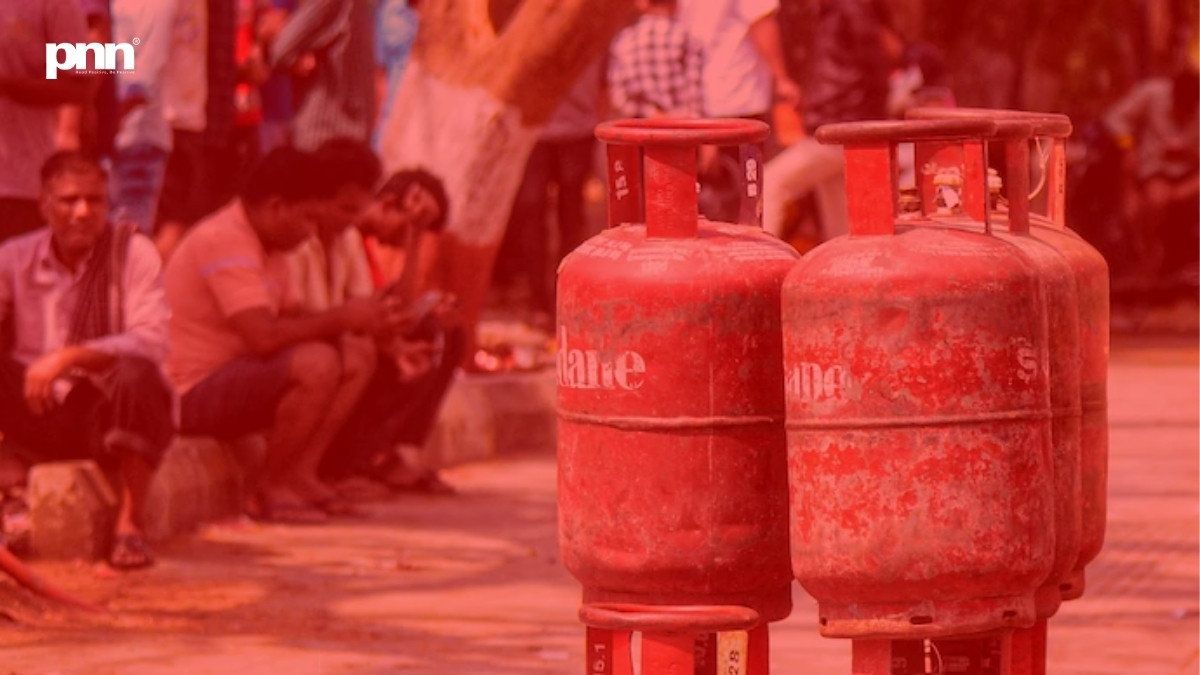
New Delhi [India], April 04: LPG prices don’t really jump overnight. It just feels like they do.
What’s actually happening is pressure building quietly in the background, global benchmarks moving, currencies shifting, shipping getting expensive, and then one day, the system just stops absorbing it. That’s when you see the spike. Sharp. Annoying. Very real.
At the center of all this is the Saudi Aramco Contract Price. That’s the global benchmark for LPG, and it basically reflects how propane and butane are trading worldwide. For context, India imports roughly 60% of what it consumes. So whatever happens globally doesn’t stay global for long. It lands here. Pretty quickly.
Now, the past few years haven’t exactly been calm.
In 2020, during COVID, demand collapsed. Prices fell. Brief relief. Then 2021 hit, and demand came roaring back faster than supply could keep up. Prices surged again. By 2022, the Russia-Ukraine war pushed things into full-blown volatility. Energy markets hate uncertainty, and this was peak uncertainty. In India, LPG prices climbed close to ₹1,000. Not theoretical. Very real for households.
Between 2023 and 2025, the global benchmark rose steadily by around 21% overall. No dramatic headlines every week, just consistent upward pressure building in the system.
Now, here’s where things get a bit… layered.
In August 2023, LPG prices were cut by ₹200 per cylinder. Sounds like relief, and it was. But it wasn’t because global prices fell. The gap was absorbed by the government and oil companies, which is what’s called under-recoveries. And honestly, subsidies like these aren’t random acts of generosity. They’re often used as fiscal tools, especially during periods of high inflation or politically sensitive timelines. That doesn’t make them bad. Just… strategic.
And then comes 2026. Still unfolding. Still volatile.
As of this week, tensions around the Strait of Hormuz have disrupted one of the world’s most critical energy routes. Over 60% of India’s LPG imports pass through this corridor. So when movement is restricted even temporarily, the impact is immediate. In early March 2026, domestic LPG prices jumped by around ₹60, while commercial cylinders saw a much sharper increase.
But here’s the thing: this is a snapshot. A moving situation. If the route stabilizes tomorrow, prices could ease just as quickly. That’s the nature of globally exposed energy markets.
Now zoom out a bit.
One uncomfortable truth? India’s vulnerability here isn’t new. It’s structural.
We’ve known for years that LPG demand far exceeds domestic supply. And yet, buffer stocks remain relatively thin, often just about a week’s worth of functional reserve. Which means when global shocks hit, we don’t have the luxury of time. Prices adjust fast because they have to.
There are long-term efforts to increase domestic gas production and reduce dependence on imports. But let’s be honest, those are slow-moving fixes. Infrastructure, exploration, policy alignment… this stuff takes years. Sometimes decades.
Meanwhile, the exposure remains.
There’s also a split system that most people don’t think about.
Domestic LPG prices are regulated and politically sensitive, so they don’t change every time global prices move. There’s a delay in a buffer. But commercial LPG? That’s deregulated. It tracks the market more closely. Which is why restaurants, hotels, and small businesses feel the heat faster. And eventually, those costs trickle down anyway. They always do.
Add taxation to the mix 5% GST on domestic, around 18% on commercial, and when base prices rise, the tax amount rises too. Same percentage, bigger hit.
Currency doesn’t help either. LPG is priced in US dollars, so a weaker rupee quietly makes imports more expensive, even if global prices don’t change.
And then there’s the bigger shift happening, almost quietly in the background.
Because of this volatility, more urban households are slowly moving away from LPG. Piped Natural Gas (PNG), induction cooktops, electric cooking, not everywhere, not all at once, but it’s happening. People are looking for stability. Predictability. LPG, right now, doesn’t always offer that.
And maybe that’s the bigger story here.
Not just why prices rise, but how that unpredictability is changing behavior.
Anyway, coming back to the core point…
When LPG prices spike, it’s not random. It’s layers. Global disruptions, policy buffers, currency pressure, and structural dependence are all stacking up. And when they finally hit, they don’t trickle in.
They land all at once.
And yeah… that’s the part that really stings.
