

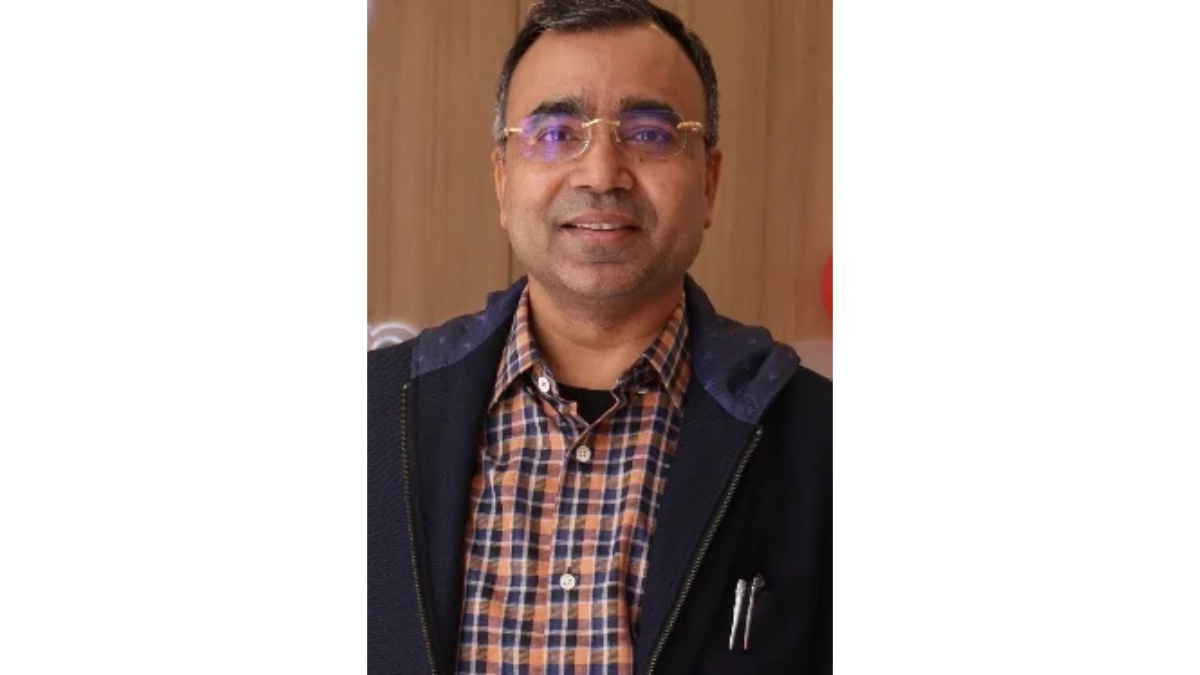
Dr Vinay Rai
New Delhi [India], November 19: For many parents today, polio is a disease they have only heard about. This reflects one of India’s greatest public-health achievements. Years of widespread vaccination and robust surveillance have helped India achieve and maintain its polio-free status.
But polio has not disappeared from the world.
Wild poliovirus type 1 continues to circulate in Afghanistan and Pakistan, where the disease remains endemic. Given India’s geographical proximity to these countries and ongoing cross-border movement, the risk of the virus being reintroduced cannot be ignored. As long as poliovirus circulates anywhere in the world, continued vigilance and high vaccination coverage remain essential.
Dr Vinay Rai, HOD, Neonatology, Manipal Hospital Dwarka, said, “India’s polio-free status is a significant public-health achievement, but sustaining it requires continued vigilance. With poliovirus still circulating in some parts of the world, maintaining high vaccination coverage and robust surveillance remains essential. We must ensure that every child receives the recommended doses on time so that the progress made over decades is protected.”
This World Polio Day, safeguarding India’s polio-free status remains a shared responsibility. Complete and timely vaccination from infancy till ages 4–6 school-entry age, coupled with continued surveillance, is essential to protect every child and preserve this hard-won achievement.
Polio can have lifelong consequences
Polio is a highly infectious viral disease that primarily affects young children. It can attack the nervous system and cause permanent paralysis within hours. Around 1 in 200 infections can lead to irreversible paralysis, and among those who develop paralysis, 5–10% may die if their breathing muscles are affected.
Many people infected with polio have no symptoms or only mild symptoms, which can result in the virus spreading unnoticed. There is no cure for polio, making vaccination the most effective way to prevent the disease and its potentially lifelong consequences.
WHO – Poliomyelitis fact sheet
Protection must continue from infancy through the school-entry years
Polio vaccination begins at 6, 10 and 14 weeks of age, followed by the first booster at 16–18 months and the second booster at 4–6 years. Completing all recommended doses on time is essential to maintaining protection as children grow.
Dr Rai added, “Vaccination is especially important in the early years of a child’s life, when timely immunisation helps build protection against serious infectious diseases. Parents should follow the recommended polio vaccination schedule, including booster doses at 16–18 months and 4–6 years. Every dose plays a role in protecting the child and strengthening our collective effort to keep India polio-free.”
Under the recommended childhood immunisation schedule, children receive three primary doses of polio vaccine at 6, 10 and 14 weeks of age, followed by a first booster at 16–18 months and a second booster at 4–6 years. The primary doses help establish protection, while booster doses reinforce immunity as children grow. Parents should consult their paediatrician to ensure that their child receives all recommended vaccinations on schedule.
Every recommended dose matters. Completing the recommended vaccination schedule on time, alongside continued surveillance and high vaccination coverage, remains essential to sustaining India’s polio-free status.
If you object to the content of this press release, please notify us at pr.error.rectification@gmail.com. We will respond and rectify the situation within 24 hours.
