

New Delhi [India], July 11: School drags sometimes. Nobody really argues with that. But think back—remember when learning actually felt exciting? Like, every day brought something new? Now it’s just endless worksheets, test prep, and sitting still until the bell finally lets you go. It’s no wonder kids zone out and teachers feel spent. Thing is, no one meant for school to get this dull. Making learning fun again doesn’t mean watering everything down—it’s about lighting a fire for curiosity and letting a little creativity back in. The wild part? Teachers already know how to flip the script and make classrooms places where kids want to be.
These ideas aren’t pipe dreams. Teachers are using them right now, and you can try one tomorrow without flipping your whole classroom upside down.
- Turn Lessons Into Games—But Make Them Matter
Gamify what you’re teaching. I don’t mean just tossing kids into teams and handing out points. Actually build an experience.
- Run an escape room, where students have to dig through history or wrangle with math problems to open the next clue.
- Hand out badges or level-ups. You can use apps like Classcraft, or just stick some printed badges on desks. Let kids unlock tougher challenges when they master something. Suddenly, they’re all in.
- Go for simulations—maybe run a climate survival challenge in science. Small groups try to build an ecosystem, then you throw in curveballs and see if their world survives.
Don’t turn class into a competition for the sake of it. Tie rewards to real progress, not busywork. Give it a shot with just one unit and see how kids react.
- Assign Projects That Actually Matter
Toss those shoebox dioramas. Pick projects that solve something real.
Say you’re teaching environmental science—why not have students:
- Test real water samples from your town, partnering with local groups.
- Create an awareness campaign or video.
- Bring their results to actual city leaders.
One teacher I know had her students design eco-friendly playgrounds, then pitch them to a pretend city council made up of parents. The kids’ effort blew everyone away.
Suddenly, “Why are we doing this?” has a real answer.
- Use Tech to Let Kids Create
Phones and screens can steal focus, but used right, they spark creativity.
- Try augmented reality—let students “hold” a cell or ancient building with Merge Cube.
- Instead of another essay, have them make podcasts, TikTok lessons, or digital books. Let them teach each other.
- Add a chatbot to the mix—so students can “interview” historical figures or get writing tips. Just keep an eye on what it spits out.
But don’t go wall-to-wall screens. Mix tech with hands-on tasks; that’s where the real learning lands.
- Take Learning Outside Once In A While
Sometimes the best classroom doesn’t have a ceiling.
- Try a math scavenger hunt outside.
- Walk and talk about what they’re reading.
- Get them out in the garden, picking up trash, or teaching something at a senior center.
They come back smiling—and remember more, too.
- Bring The Arts and Play Back
Kids remember things they create.
- Act out science ideas, famous speeches, or chapters from novels.
- Challenge them to write a grammar rap or a song about fractions.
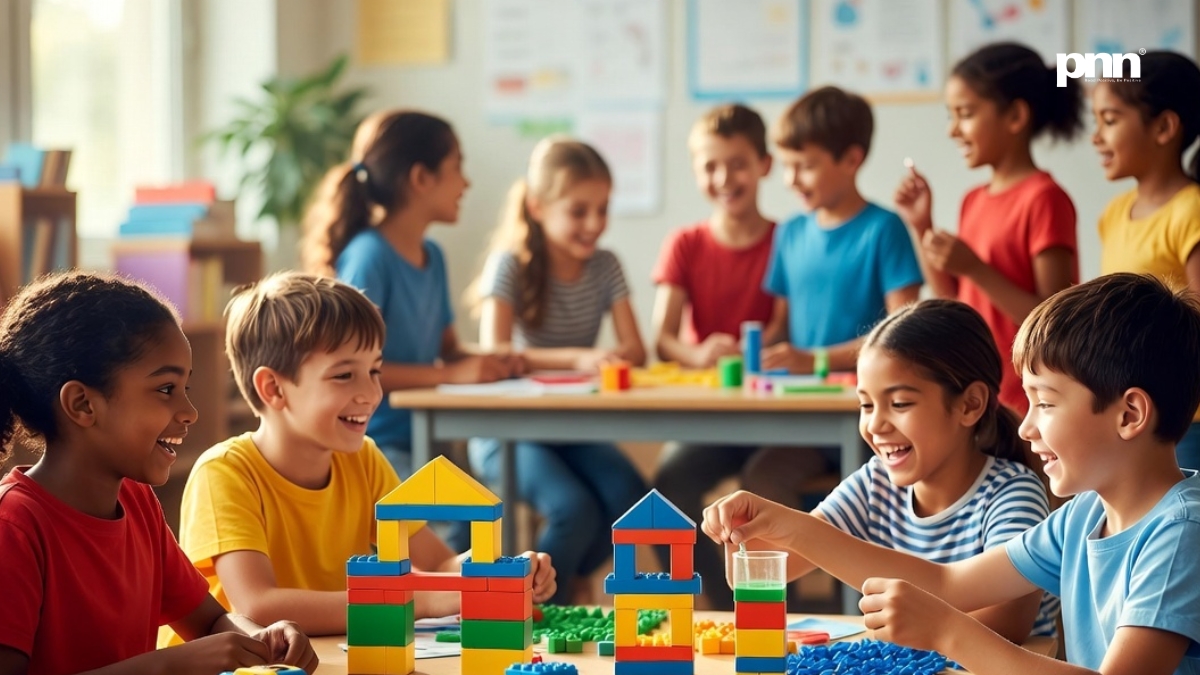
- Set up a little Maker Space with Lego, art supplies, or recyclables. Just let them tinker once a week—anything that connects back to your class.
Here’s a neat twist: chart a book character’s emotions, turn it into a graph, and talk about what it shows.
- Let Students Shape Their Work
School gets better when students have some control.
- Let them pick how they show what they know—essay, comic, video, whatever fits.
- Try Genius Hour: give them time each week to dive deep into something they actually care about, if it connects to your subject.
- Check in often—ask what’s working and what isn’t, and tweak things as you go.
When students feel seen, school feels less like a fight.
How Teachers Make It Work
You’re busy—so go small. No need to overhaul everything.
- Pick one new thing and try it in a single class.
- Share and swap ideas with your team—build up a resource folder.
- Ask your students what they think after you try something new.
- Take care of yourself, too—no one expects superhero hours.
What Actually Happens
When teachers mix it up, attendance goes up, scores climb, and—most important—kids start saying they like coming to class. One seasoned teacher told me these tricks kept her from walking away and brought back the reason she started teaching at all.
Learning is supposed to be a spark, not a chore. Sprinkle in some creativity and see what it does for you and your class.
