

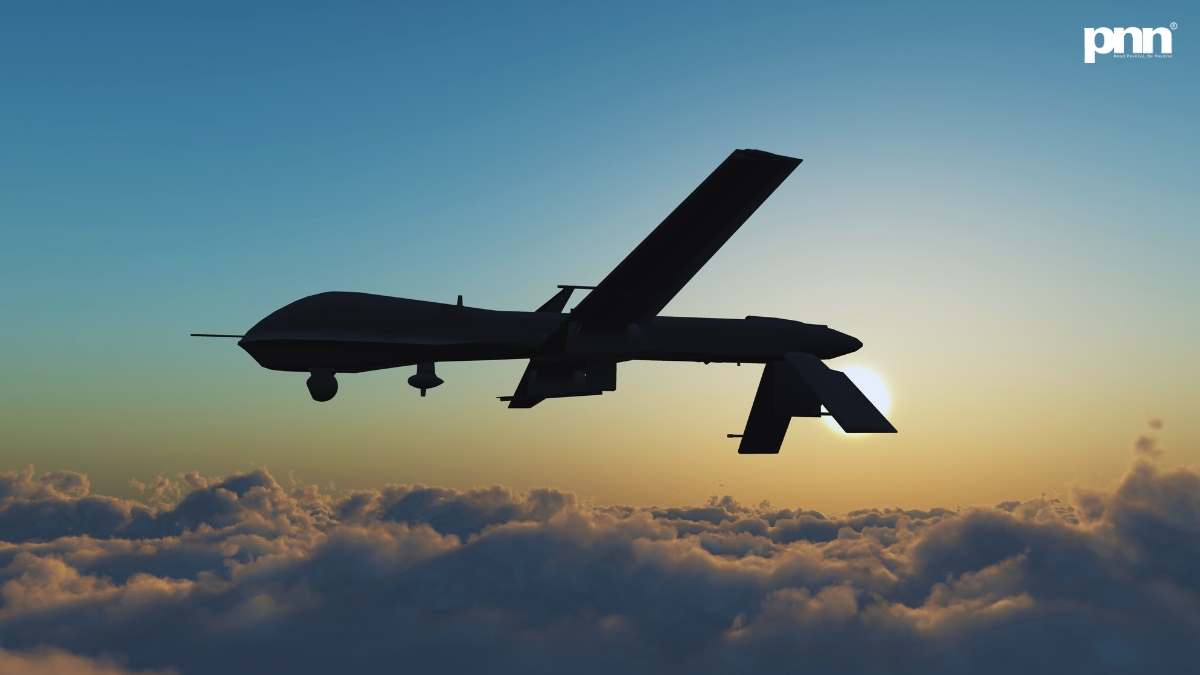
New Delhi [India], July 15: A quiet but crucial battle is being waged – not at the borders, but deep inside India’s defence strategy rooms. And this week, that war for self-reliance takes flight.
The Ministry of Defence is gathering some of the sharpest minds in Bharat’s military and tech circles on July 16 at Delhi’s Manekshaw Centre. The reason?
To tackle one of the most strategic blind spots in modern warfare: India’s dependence on foreign parts for its drones and anti-drone systems.
This high-powered workshop, co-hosted by the Integrated Defence Staff (IDS) and the Centre for Joint Warfare Studies (CENJOWS), isn’t just a bureaucratic ritual. It comes on the heels of Operation Sindoor – a recent conflict with Pakistan where unmanned aerial vehicles (UAVs) and their counter-systems proved indispensable in both surveillance and surgical strikes.
Foreign Parts, Local Risks
Sure, Bharat has made solid progress with homegrown drones. But much of the core tech – components like sensors, processors, and countermeasure kits – is still imported. That’s not just a financial leak. It’s a national security risk.
The workshop aims to change that. And fast. By pulling in a mix of military officials, policy wonks, engineers, and private tech firms, the defence establishment is looking to hammer out a roadmap for true drone autonomy. The goal: reduce reliance on foreign suppliers and shift to a fully indigenous UAV and C-UAS supply chain.
High-Level Support, Ground-Level Grit
General Anil Chauhan, the Chief of Defence Staff, will headline the event. His presence signals that this isn’t some niche initiative – it’s core to the future of India’s battlefield readiness.
Air Marshal Ashutosh Dixit, leading the Integrated Defence Staff, is expected to close the workshop by laying out what’s next: a formal strategy document that could steer defence procurement and R&D policy for years.
If the defence ecosystem gets this right, it won’t just plug import gaps – it could rewire Bharat’s place in the global drone economy.
Why Now?
Because Operation Sindoor wasn’t a drill.
Though most details remain classified, sources close to the action say UAVs played a starring role – from shadowing enemy movements to enabling precise strikes. But behind that success lies a vulnerability: much of the tech came with foreign fingerprints.
And in times of crisis, outsourced defence tools come with complications.
The workshop, then, is part of a larger reckoning. It’s India owning up to its drone dependence – and taking real steps to end it.
India | The Bigger Picture
This event isn’t happening in a vacuum. It fits into the government’s broader push for Aatmanirbhar Bharat in defence – an ambitious plan to make Bharat a self-sufficient arms and technology power.
Drones are fast-evolving, relatively affordable, and strategically critical. Miss the wave now, and the gap could widen beyond repair.
Which is why this workshop goes beyond talk. Expect live tech demos. Closed-door brainstorming. And uncomfortable truths about what’s holding India back.
A Future Still Under Construction
The endgame here is clear: drones made in India, for India, by Indians. That includes not just UAVs, but the tech needed to detect and destroy hostile ones too.
And the benefits? Fewer supply chain chokeholds. Lower costs over time. Greater battlefield trust. Plus, an opportunity to turn Bharat into an exporter, not just a buyer, of unmanned tech.
India’s push for UAV and C-UAS indigenisation is a strategic necessity, not a luxury. Reducing dependency on imports strengthens national security, but execution will depend on real investment, sustained collaboration, and overcoming deep-rooted production and technology challenges.
Of course, none of this happens overnight.
But if this week’s workshop delivers on its promise, India might be closer than ever to owning its skies – without strings attached.
