

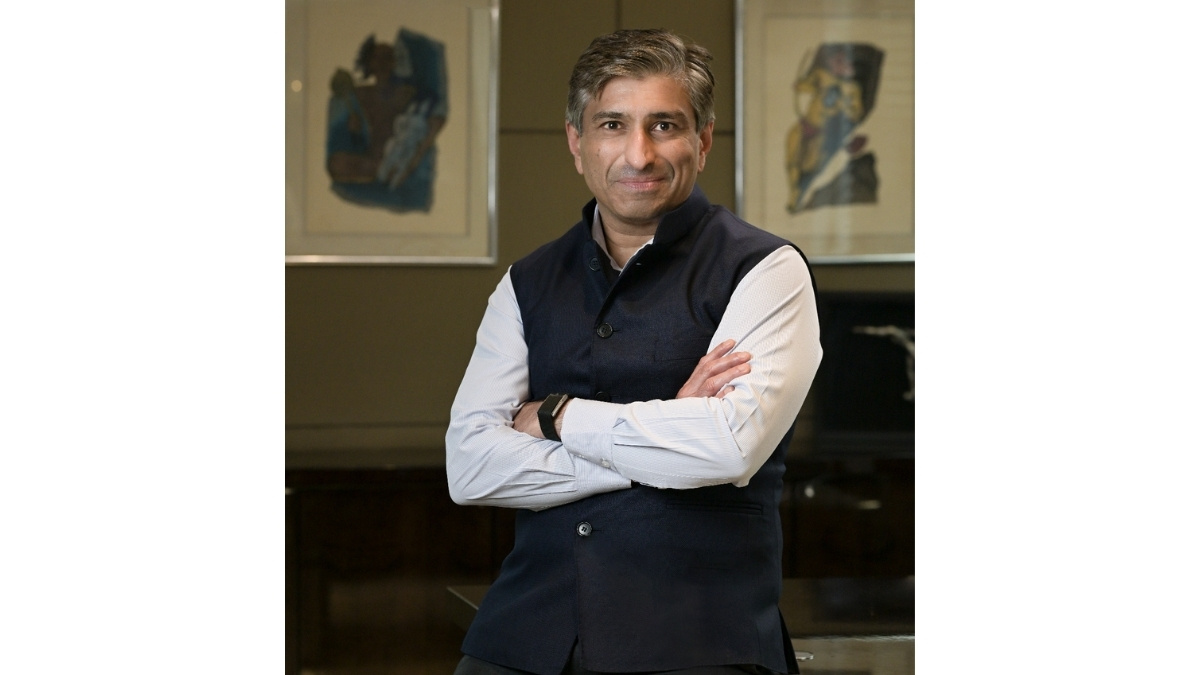
Ratul Puri, Chairman Hindustan Power
New Delhi [India], July 15: India’s power sector is undergoing a structural transformation. Rising industrial activity, expanding digital infrastructure, rapid electrification and increasing energy consumption are reshaping the country’s electricity demand profile. Peak demand has already reached record levels and is expected to continue growing as manufacturing, artificial intelligence, data centres and electric mobility become larger contributors to the economy.
The scale of this change is already visible in India’s power demand. As reported by the Ministry of Power, India achieved an all-time peak electricity demand of 256.1 GW on 25 April 2026, reflecting the rapidly expanding scale of the country’s electricity requirements and the need for a power system capable of supporting sustained economic growth. This development highlights Ratul Puri’s view that India must build an energy system capable of delivering dependable power at a significantly greater scale.
According to Ratul Puri, Chairman of Hindustan Power, these developments are changing the priorities of India’s energy transition. While renewable energy capacity will continue to expand, the focus is increasingly shifting towards building integrated and resilient energy infrastructure capable of delivering reliable power whenever it is required.
The first phase of India’s clean energy journey demonstrated the country’s ability to deploy renewable energy at scale. The future of this transition will depend on how effectively renewable generation, storage, transmission and grid infrastructure are integrated to create a flexible and future-ready electricity system. As renewable energy becomes a larger part of the generation mix, ensuring dependable power delivery will become as important as adding new capacity.
India is entering what can be described as an “era of electricity”,where manufacturing, digital infrastructure, artificial intelligence and electric mobility are driving a new phase of demand for reliable and continuous power supply. Industrial growth, digital infrastructure, electric mobility and AI-powered technologies require power systems that are more reliable, flexible and responsive. This changing landscape requires an energy ecosystem capable of supporting both rising base demand and increasing peak loads.
This upward trajectory is expected to continue over the coming decade. According to the Central Electricity Authority’s 20th Electric Power Survey, India’s peak electricity demand is projected to reach approximately 446 GW by 2034-35, while the country’s annual electrical energy requirement could rise to around 3,215 billion units.
Meeting the evolving needs of the power sector requires a more integrated approach to infrastructure development. While renewable energy remains at the core of India’s long-term energy strategy, expanding generation capacity alone will not be sufficient to support a power system with increasing variability and demand complexity. Investments in battery storage, transmission networks, grid flexibility and intelligent system operations will become increasingly important in enabling clean energy to be delivered efficiently across the country.
Battery Energy Storage Systems are emerging as an important part of this transition. By balancing supply and demand, supporting grid stability and improving the utilisation of renewable energy, storage is helping strengthen the overall resilience of the electricity network. As renewable penetration increases, integrating storage with solar and other clean energy technologies will play a larger role in providing dependable and dispatchable power.
Hybrid renewable projects are also becoming increasingly relevant as the sector moves towards more integrated energy solutions. Combining renewable generation with storage improves operational flexibility and enables electricity to be supplied beyond periods of peak solar generation. These integrated models are expected to contribute to greater grid stability while supporting India’s growing requirement for reliable, round-the-clock clean power.
At the same time, India’s energy transition will continue to require a balanced and diversified power mix. Renewable energy will remain the primary driver of clean energy growth, supported by storage and modern transmission infrastructure, while flexible resources such as hydro, pumped storage and other dispatchable technologies will continue to contribute to system reliability during the transition. This balanced approach strengthens energy security while supporting long-term decarbonisation objectives.
The opportunities created by this evolving energy landscape extend beyond electricity generation. Battery storage, green hydrogen and industrial decarbonization initiatives are opening new pathways for supporting sectors that require reliable and lower-carbon energy solutions. As industries seek to improve efficiency and reduce emissions, integrated energy infrastructure will become an important enabler of sustainable industrial growth.
This changing environment is also redefining the role of independent power producers. Increasingly, energy developers are expected to contribute not only through generation assets but also through integrated solutions that improve system flexibility, support grid operations and strengthen long-term energy resilience. The sector is gradually moving from delivering individual projects to enabling a more connected and responsive power ecosystem.
Reflecting these industry developments, Hindustan Power continues to strengthen its portfolio across renewable energy, battery storage and integrated energy infrastructure. Under the leadership of Ratul Puri, the company remains focused on building energy systems that support greater reliability, operational flexibility and efficient power delivery.
India’s energy transition is entering a new phase shaped by rising electricity demand and changing consumption patterns. The long-term opportunity lies not only in expanding renewable energy, but in building an integrated power system capable of supporting economic growth while delivering reliable, affordable and sustainable electricity. As the country’s energy ecosystem continues to evolve, the ability to connect generation, storage and grid infrastructure into a coordinated system will increasingly define the next chapter of India’s power sector.
About Ratul Puri:
Ratul Puri is the Chairman of Hindustan Power, an integrated power generation company with a strong presence in renewable and transitional energy generation. Over the years, Ratul Puri has been involved in the development of large-scale energy infrastructure projects that support India’s growing power requirements and its transition toward cleaner energy sources.
About Hindustan Power:
Hindustan Power is an integrated power generation company with a presence across renewable and transitional energy assets. The company continues to invest in energy infrastructure that supports reliability, sustainability and long-term value creation within India’s evolving power sector.
If you object to the content of this press release, please notify us at pr.error.rectification@gmail.com. We will respond and rectify the situation within 24 hours.
