

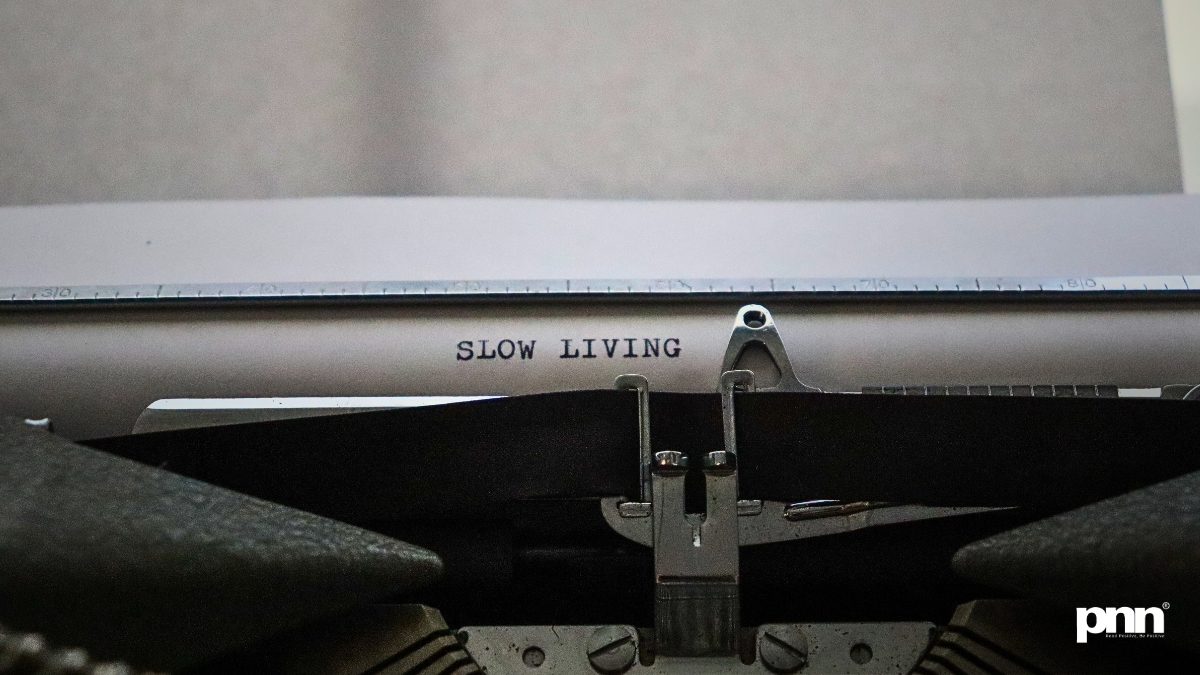
Mumbai (Maharashtra) [India], July 11: For years, society applauded speed. Faster internet, faster deliveries, faster careers, faster success. Somewhere along the way, even weekends became productivity projects, vacations turned into content creation assignments, and coffee transformed from a beverage into a survival strategy. The irony? Humanity became remarkably efficient at everything except feeling rested. Now, a growing number of people are embracing Slow Living—a lifestyle philosophy that sounds almost radical in an era obsessed with acceleration, encouraging people to slow down, live intentionally, and value balance over constant busyness.
The “slow living” movement is steadily evolving beyond carefully curated social media feeds and minimalist aesthetics. Lifestyle experts say it reflects a broader shift toward mindful consumption, sustainable fashion, slower travel, and healthier work-life balance, as individuals increasingly prioritise mental well-being alongside environmental responsibility. It isn’t about doing less for the sake of laziness. It’s about doing fewer things with greater intention.
Perhaps success no longer sounds like a fully booked calendar.
Perhaps it sounds like silence.
When Busy Became A Personality Trait
Modern culture has spent decades rewarding constant availability.
Being busy became synonymous with being important. Answering emails during dinner, scheduling meetings across time zones, and treating burnout like a professional milestone quietly evolved into workplace norms.
The slow living philosophy challenges that narrative.
Instead of asking, “How much can I accomplish today?” it asks a different question:
“What actually deserves my attention?”
Surprisingly, that’s proving to be a harder question to answer.
A Lifestyle, Not Just An Aesthetic
Despite its growing popularity online, slow living extends far beyond neutral colour palettes and handcrafted ceramic mugs.
Its core principles include:
- Buying fewer, higher-quality products.
- Supporting sustainable and ethical fashion.
- Choosing meaningful travel over rushed itineraries.
- Creating healthier boundaries between work and personal life.
The movement encourages people to consume consciously rather than constantly—a philosophy that aligns with growing awareness around climate change, overconsumption and mental health.
Sometimes the most sustainable purchase is the one you never make.
Why The Movement Is Resonating
Several global shifts have accelerated interest in slower lifestyles.
Remote work changed how people value personal time. Rising awareness of anxiety and burnout encouraged conversations around mental health. Meanwhile, environmental concerns prompted consumers to reconsider fast fashion and disposable consumption.
Research consistently links chronic stress with increased risks of cardiovascular disease, anxiety disorders, and sleep disruption. Lifestyle experts increasingly argue that slowing daily routines, spending time outdoors, and reducing unnecessary digital stimulation may contribute to improved overall well-being.
It’s difficult to enjoy life when you’re permanently racing through it.
The Benefits Extend Beyond Mental Health
Slow living isn’t solely about emotional wellness.
Advocates argue it can positively influence both individuals and communities through:
- Lower stress and improved work-life balance.
- Reduced environmental impact through mindful consumption.
- Support for local businesses and artisans.
- More meaningful personal relationships and experiences.
The growing popularity of sustainable tourism, second-hand fashion and local food movements reflects many of the same values.
Ironically, slowing down sometimes produces better results than rushing ahead.
Not Everyone Can Simply ‘Slow Down’
The philosophy, however, isn’t without criticism.
For many people, slowing down remains a privilege rather than a practical choice. Financial pressures, demanding careers, caregiving responsibilities and economic uncertainty often leave little room for leisurely mornings or extended digital detoxes.
Critics also argue that parts of the movement have become commercialised, with expensive wellness retreats and luxury lifestyle brands selling simplicity at premium prices.
Apparently, minimalism now occasionally arrives with a surprisingly maximalist price tag.
The Real Lesson Isn’t About Time
Perhaps slow living has been misunderstood from the beginning.
It isn’t asking people to reject ambition or productivity.
It’s asking them to become more deliberate about both.
Whether through mindful shopping, sustainable travel or simply disconnecting from constant notifications, the movement reflects a growing desire to reclaim attention in an economy built around distraction.
Because attention has quietly become one of the world’s most valuable commodities.
The Future May Belong To Those Who Pause
The continued rise of slow living suggests people are redefining what a successful life looks like. More consumers are choosing experiences over possessions, quality over quantity and balance over relentless acceleration.
The movement won’t eliminate deadlines or erase modern responsibilities.
But it offers something increasingly rare.
Permission to breathe.
Perhaps that’s why slow living continues gaining momentum.
Not because people suddenly have more time.
Because they’re finally questioning who convinced them they never did.
