

New Delhi [India], September 10: Gut health has become one of the biggest conversations in nutrition, but somewhere between probiotic supplements, “gut-healing” drinks, and restrictive diets, the basics can easily get lost. The truth is that supporting your gut does not necessarily require an elaborate meal plan or a long list of foods you need to avoid. A gut-friendly diet is, at its core, about variety, fibre, hydration and consistency. It is less about finding one miracle food and more about giving your gut microbiome a diverse range of nutrients to work with.
Start with fibre
Fibre is one of the most important building blocks of a gut-friendly diet. Found naturally in fruits, vegetables and pulses, it helps support regular bowel movements and provides fuel for beneficial gut bacteria. For an Indian diet, this can be as simple as adding dal, chickpeas, rajma, oats, fruits, or flaxseeds to your regular meals.
The key, however, is to increase fibre gradually. Suddenly going from a low-fibre diet to eating large amounts of it can leave you feeling more bloated rather than better. Give your digestive system time to adjust and drink enough water alongside it.
Think variety, not restriction
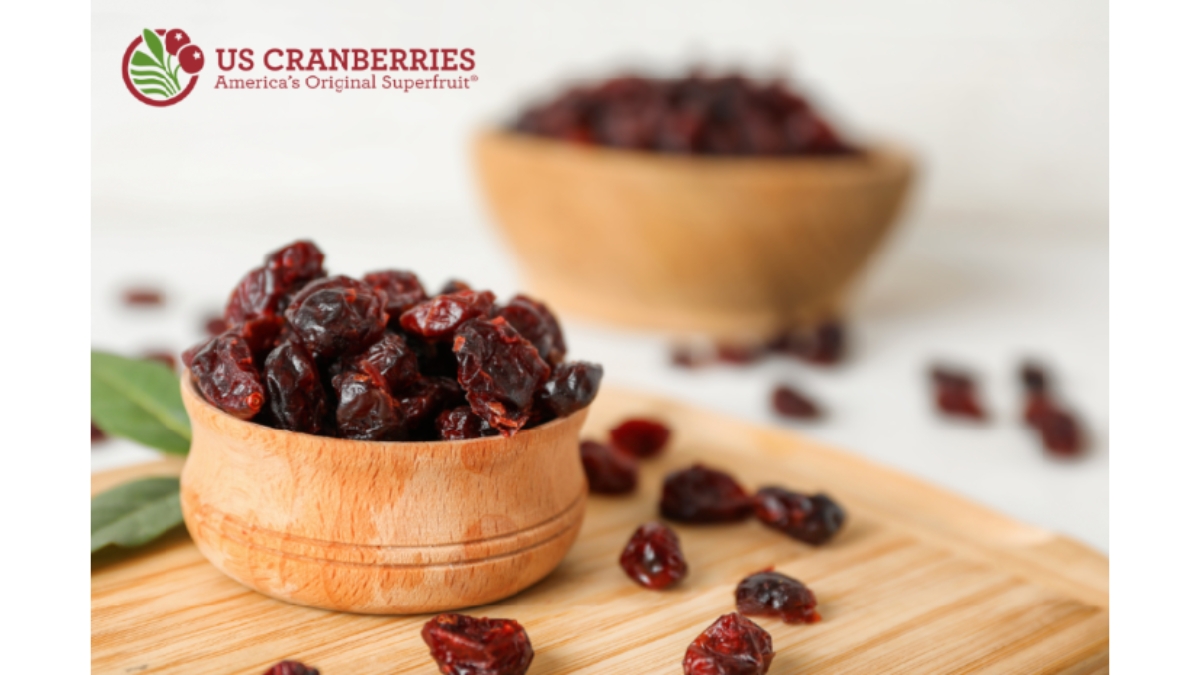
A healthy gut thrives on dietary diversity. Instead of eating the same “healthy” foods every day, try rotating your fruits, vegetables, grains, pulses, nuts and seeds. This is where colourful fruits can easily find a place in the diet. US Cranberries, which are red and juicy, can be added to breakfast bowls, oats, homemade trail mixes, salads or yoghurt. Whole cranberries provide fibre and are also a source of polyphenols, plant compounds being studied for their interaction with the gut microbiome.
The important distinction is to look at the whole food and the overall preparation. Unsweetened or minimally sweetened cranberry options are preferable to products loaded with added sugar.
Build balanced meals
Gut health should not exist in isolation from the rest of nutrition. A practical meal should ideally bring together fibre-rich carbohydrates, protein, vegetables or fruit and healthy fats. Think dal with brown rice and vegetables, a vegetable-and-paneer wrap with whole-grain roti, yoghurt with fruit and seeds, or a snack bowl combining cranberries, nuts, seeds and fruit. This approach is more sustainable than eliminating entire food groups based on social-media trends.
The simplest way to think about gut health is this: eat more variety, prioritise fibre-rich whole foods, include fermented foods if they suit you, stay hydrated and avoid extremes. Your gut does not need a trend. It needs consistency.
If you object to the content of this press release, please notify us at pr.error.rectification@gmail.com. We will respond and rectify the situation within 24 hours.
