

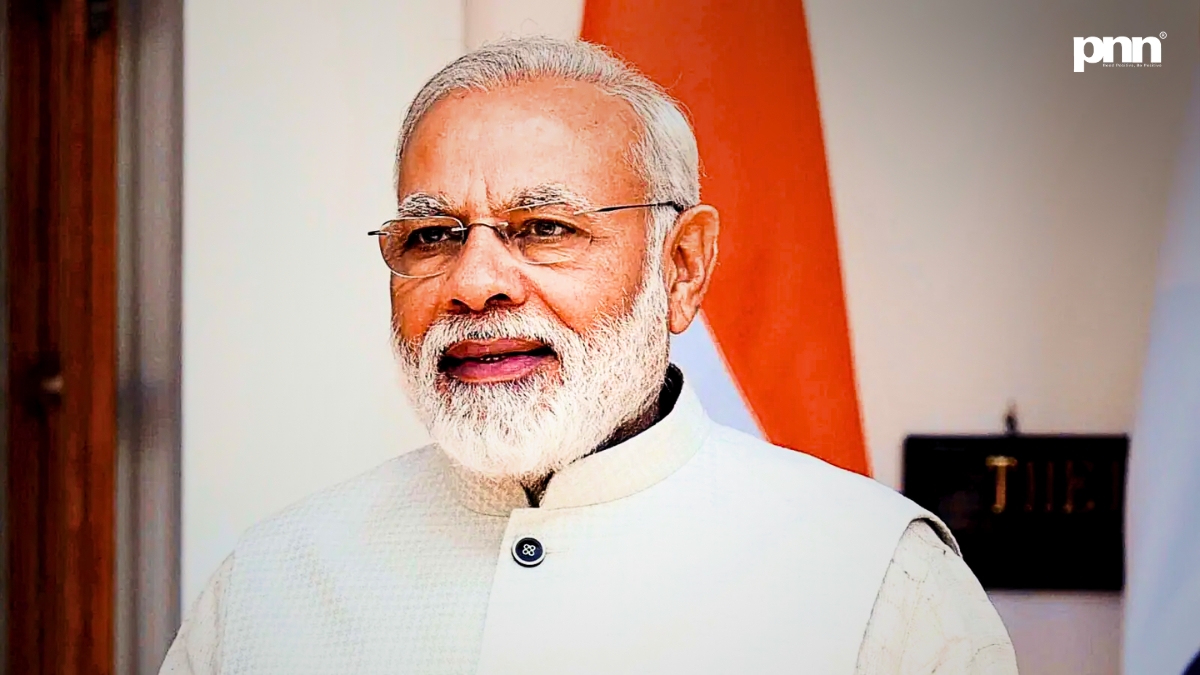
Walk around Mumbai’s packed streets or through Bengaluru’s tech corridors, and you can almost feel the country’s heartbeat racing with ambition. Since Narendra Modi became Prime Minister in 2014, India hasn’t just changed—it’s leapt ahead. A decade ago, the world lumped India in with the so-called “Fragile Five,” but now it’s sprinting alongside the globe’s most dynamic economies. Let’s talk about what’s really shifted: how Modi’s leadership sparked business growth, and what anyone who leads—politicians, CEOs, entrepreneurs—can actually learn from all this.
A Country Picks Up Speed
Back in 2014, things weren’t exactly rosy. India wrestled with slow growth, high prices, and investors who were nervous about both global shocks and messy policies at home. Modi’s team went all in on reform, infrastructure, and this whole idea of self-reliance—Aatmanirbhar Bharat. One by one, major policies—Goods and Services Tax, the Insolvency and Bankruptcy Code, Make in India—started pulling weight. Business became more straightforward, foreign money found its way in, and investors actually started to believe India could deliver.
And the numbers? They tell a story. In the last ten years, India’s nominal GDP has tripled. The country is now the sixth biggest economy, with projections putting it at $4.15 trillion by 2026. Real GDP growth hit 7.7% for 2025-26, easily beating out giants like China and the US.
But look, these aren’t just stats for headline writers. You see the difference everywhere. Highways stretch for miles across the country, airports look and run better, and digital platforms like UPI turned payments into something stunningly simple—billions of transactions fly by every month. Sure, India still grapples with unemployment, but more jobs now are formal, with real benefits.
A Magnet for Business
From the business side, things have tilted in favor of growth. The government made it easier to start and run a company, and those World Bank rankings before the pandemic? India kept climbing. Let’s check out the money: Since 2014, the country’s seen FDI above $800 billion, sometimes spiking with equity jumps as high as 27% in recent quarters. PLI schemes brought new money and factories into electronics, semiconductors, and renewables.
Exports broke records, with the total hitting around $825 billion—services doubled. India’s startup community? Exploded. Now it’s home to more than 235,000 recognized startups, and that entrepreneurial energy just keeps spreading. Even though manufacturing’s slice of the pie still hovers at 12-15% of GDP, new factories and investment pledges show that ambition is solid.
Business leaders love the predictability and digital-first governance. Global giants—Apple, Tesla, and the big chipmakers—are banking on India. A surge in government spending on infrastructure is sparking even more investment from the private side, with a ripple effect across logistics, power, and retail.
Of course, it’s not all smooth sailing. Manufacturing needs to hire more people, and global headwinds—geopolitics, slowdowns, you name it—don’t just go away. Even so, India’s business world right now feels more energized and full of opportunity than ever.
What Leaders Can Actually Learn
So what about the bigger picture—leadership? Modi’s style presents some takeaways that cut across industries:
- Set a bold vision, then deliver. Modi didn’t just talk about a “New India”—he pushed real policy to back it up. That’s something any leader chasing a five-year goal or rolling out new product lines should remember.
- Don’t be boxed in by ideology. Striking a balance between market freedom and social support works. India’s welfare schemes kept things grounded for millions, even as reforms made room for business.
- Use tech to bring people on board. Pushing UPI, linking Aadhaar, and direct benefit transfers cut down waste and won over the public. Business leaders should note: transparent, tech-driven systems build trust fast.
- Stay resilient when things turn sideways. Modi’s government didn’t just react to COVID—they stayed focused on long-term change rather than quick fixes.
- Build global relationships. Taking the lead in G20, working with the Quad, landing trade pacts—India has become a serious player. There’s a lesson in the power of partnership here.
- Prosperity is showing up in the data too. Incomes are rising, though challenges around jobs and fairness are still very real.
A Legacy Still Unfolding
Truth is, Modi’s decade in charge has amped up India’s growth and global influence in ways that now feel impossible to ignore. It’s not just about climbing economic charts—India is rewriting what it means to be a country on the rise. For anyone thinking about leadership, there’s a clear message: Set a vision, back it up with action, use data, and build an ecosystem that helps others grow too. Results show up not just on a GDP slide, but in shops, offices, and the daily stories of millions.
The years ahead look even bolder. As India gets closer to becoming the third-largest economy, it’s clear: leadership—done right—can turn raw potential into real progress. Whether you’re running a business or a country, these lessons matter.
