

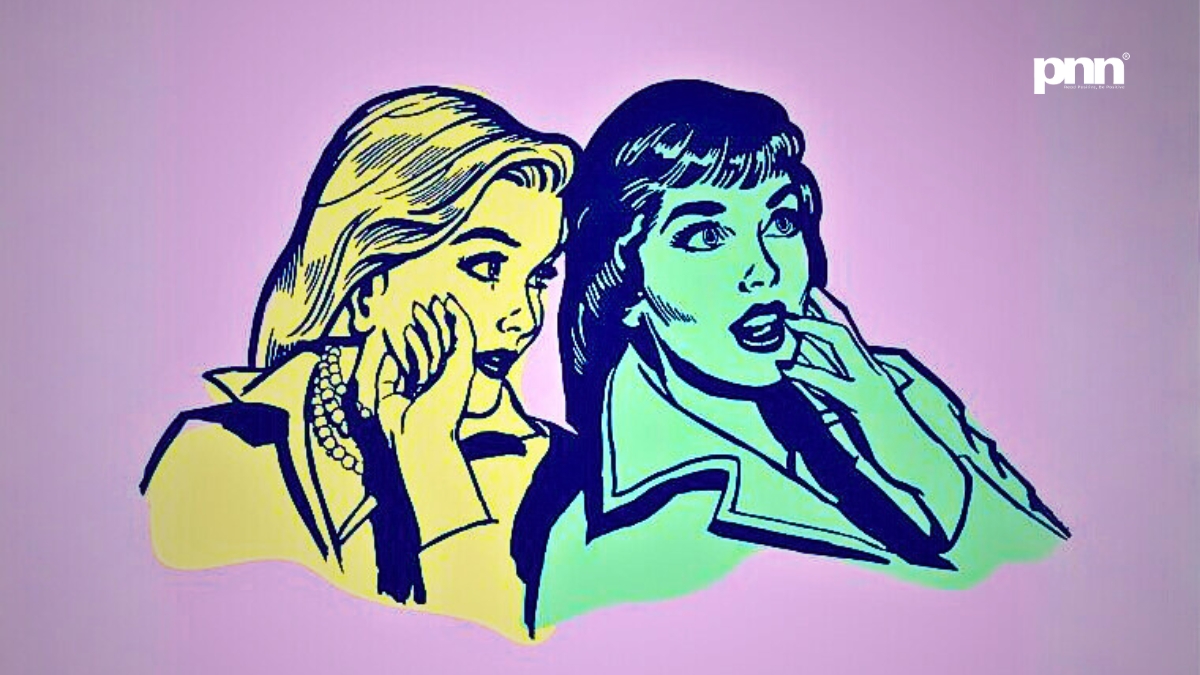
Mumbai (Maharashtra) [India], January 12: The year barely stretches its legs before the internet does what it does best: speculate wildly, connect invisible dots, and declare emotional emergencies over people who have not said a word. As 2026 tiptoes in, Korean celebrity culture has once again found itself under a digital microscope—one polished by fandoms, sharpened by algorithms, and powered by the ancient human instinct to gossip, but with Wi-Fi.
No confirmations. No photographs. No statements. And yet, timelines are already acting like wedding planners.
What’s interesting isn’t the rumour itself—it’s how predictably powerful the ritual has become.
This annual guessing game has evolved into a cultural phenomenon where fans don’t wait for news; they pre-write it. Imagined pairings trend overnight. Cryptic emojis are treated like sworn testimony. Silence is interpreted as a strategy. And somewhere between curiosity and entitlement, the line between admiration and intrusion quietly dissolves.
The buzz this time revolves around hypothetical high-profile couplings involving some of the most recognisable faces in Korean pop culture. Names are floated not because of evidence, but because of narrative appeal. Chemistry in interviews. Parallel schedules. Coincidences elevated to conspiracy. Romance by algorithm.
And yet, this cycle persists not because it’s factual, but because it’s functional.
The Business Of Speculation Never Sleeps
Celebrity rumours are not accidents. They are ecosystems.
Even unverified whispers generate extraordinary engagement: spikes in searches, comment floods, reaction videos, fan edits, and debate threads that spiral for days. Entire communities rally around the possibility. Platforms reward the noise. Brands quietly watch the numbers. And suddenly, a rumour with zero confirmation has real economic gravity.
This is where Korean celebrity culture differs from its Western counterpart. The fandom isn’t a passive audience—it’s an active newsroom. Fans archive content, timestamp interactions, compare outfits, and build theories with the precision of investigative journalism… minus the burden of verification.
From a PR standpoint, this attention is both a gift and a minefield.
Visibility increases. Relevance surges. But control evaporates.
For agencies, rumours can derail meticulously planned rollouts. For artists, they can overshadow actual work—albums, performances, acting roles—reduced to footnotes beneath speculative headlines. And for fans, the emotional investment can blur into possessiveness, especially in cultures where idol imagery has historically been tied to availability and fantasy.
The paradox is simple: gossip fuels the machine that fans claim to hate.
Romance As Rebellion Or Risk?
There is, however, a quieter shift happening beneath the noise.
Younger audiences—particularly international fans—are less scandalised by the idea of idols dating. In fact, many welcome it as proof of humanity. The outrage isn’t universal anymore; it’s fragmented. Some fans celebrate maturity and autonomy. Others cling to older expectations. The result is a cultural tug-of-war happening in comment sections across time zones.
This evolution matters.
It signals that Korean pop culture may be slowly renegotiating its relationship with personal freedom. Dating rumours that once triggered backlash now trigger debate. Silence is no longer an automatic admission of guilt. And public sentiment, while still volatile, is less uniformly unforgiving.
Still, the cost remains high.
Mental health pressures. Privacy erosion. Careers shaped by narratives artists didn’t choose. And a public expectation that celebrities owe clarity about lives they never agreed to commercialise.
Romance shouldn’t be a liability—but in this ecosystem, it often is.
Why Fans Keep Coming Back For More
If gossip culture is so problematic, why does it thrive?
Because it offers intimacy in an age of distance.
Fans don’t just consume content; they participate in it. Speculation feels like access. It creates a sense of closeness, a belief that one is “in the know.” In parasocial spaces, rumours become shared experiences—something to discuss, defend, fight over, and bond through.
And let’s be honest: boredom plays a role.
Between comebacks, tours, and releases, gossip fills the gaps. It sustains engagement during quiet periods. It keeps fandoms active when official content slows. In that sense, rumours function as unofficial filler episodes—morally questionable, but undeniably effective.
The industry doesn’t openly endorse this culture. But it benefits from the attention economy it creates.
That’s the uncomfortable truth.
The PR Tightrope Nobody Wins
From a public relations lens, responding to rumours is a lose-lose scenario.
Deny too aggressively, and you amplify the story. Stay silent, and silence becomes subtext. Confirm, and you risk backlash—from fans, sponsors, or conservative market segments. Delay, and narratives calcify without you.
This is why most agencies opt for controlled ambiguity. Vague statements. Carefully chosen words. Or nothing at all.
But in 2026, that strategy is being tested harder than ever.
Global audiences are louder. Social platforms are faster. And misinformation travels at a velocity that makes traditional damage control feel antique. What used to be a domestic issue now becomes a global trending topic within hours.
Which raises an uncomfortable question: is the system sustainable?
The Human Cost Behind The Headlines
Lost in the spectacle is the most basic truth: these are people.
People navigating fame, pressure, expectations, and scrutiny at a scale few industries can match. The emotional labour required to simply exist publicly in Korean entertainment is immense. Add romantic speculation to that equation, and the burden multiplies.
There’s a reason many artists speak later—much later—about burnout, anxiety, and identity loss.
Gossip may feel harmless, but repetition normalises intrusion. And when curiosity turns into entitlement, empathy is usually the first casualty.
So What Happens Next?
Realistically? The rumours will fade. New ones will emerge. Screenshots will circulate. Timelines will move on.
But the pattern will remain.
What’s changing isn’t the existence of celebrity gossip—it’s how consciously audiences engage with it. A growing segment of fans is questioning why they care. Another is asking who benefits. And a quieter majority is learning to enjoy the work without consuming the personal lives attached to it.
That may not dismantle the gossip economy overnight—but it does introduce friction. And friction, eventually, leads to reform.
Until then, the New Year ritual continues.
Speculation dressed as celebration. Curiosity masquerading as concern. And an industry that thrives on attention, even when it pretends otherwise.
Because in Korean pop culture, the calendar doesn’t decide when stories begin.
The internet does.
