

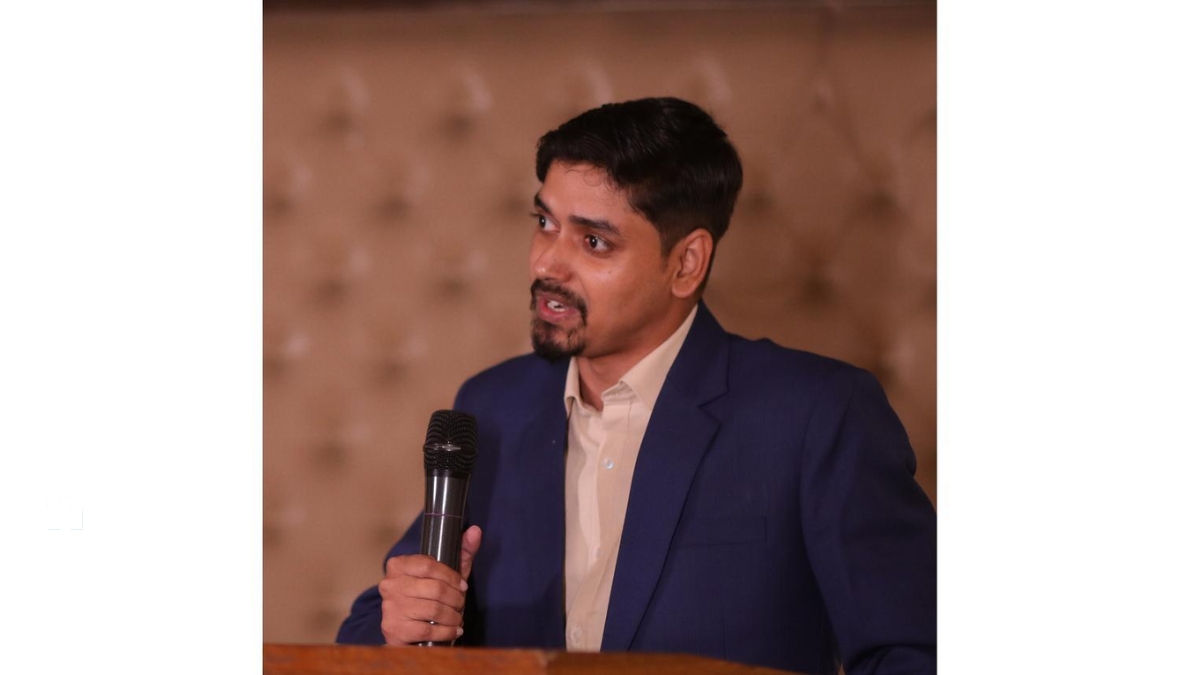
Prateek Singh, Co-Founder & CEO, Brevistay.
New Delhi [India], January 16: The travel and hospitality industry is undergoing one of its most significant shifts in decades. While overnight hotel stays have long been the default, modern travel behaviour is increasingly shaped by flexibility, immediacy, and value. Today’s traveller, whether a corporate professional, digital nomad, or short-haul commuter, no longer wants to pay for unused hours. They want accommodation that adapts to their schedules, not the other way around.
This evolving mindset is giving rise to hour-based stays, also known as microstays, an alternative hospitality model that allows travellers to book hotel rooms for a few hours instead of an entire night. What started as a niche concept globally has now found relevance in India’s fast-moving, experience-driven travel ecosystem.
At Brevistay, this shift was not identified as a trend but as a clear market inefficiency. Traditional hotel models were built around fixed check-in and check-out times, often misaligned with real travel needs. Whether it’s a business traveller with a long layover, professionals attending interviews or meetings, families on road trips, or remote workers seeking a short-term workspace, the demand for flexible, time-based accommodation was evident but underserved.
India’s travel market, especially among Gen Z and millennial travellers, is increasingly spontaneous. A growing percentage of bookings now happen at short notice, sometimes just hours before arrival. This behaviour aligns seamlessly with microstays, offering affordability, convenience, and relevance without the cost burden of a full-day booking. Flexibility is no longer a luxury; it is becoming an expectation.
From a hotelier’s perspective, hour-based stays unlock significant untapped value. Across India, daytime occupancy remains a challenge, with many hotels seeing over half their inventory remain vacant during working hours. Microstays allow hotels to monetise these low-utilisation periods, improve overall occupancy, and optimise yield, often without impacting overnight bookings. It’s a smarter use of existing infrastructure, driven by demand-based pricing and operational agility.
Technology has been the key enabler of this transformation. Real-time booking platforms, seamless digital payments, dynamic pricing models, and deep integrations with hotel property management systems have made flexible stays viable at scale. API-driven inventory connectivity now allows hotels to list rooms in time slots rather than fixed nights, opening access to entirely new demand segments. This blend of technology and strategy is central to how Brevistay operates and scales across markets.
Beyond economics and efficiency, the cultural perception of hotels is also changing. Hotels are no longer viewed solely as places to sleep. They are becoming multifunctional spaces – for work, rest, transition, and productivity. Hour-based stays cater to these evolving use cases, offering hotels the opportunity to reposition themselves as flexible lifestyle enablers rather than static accommodation providers.
What’s driving this shift is a broader rethinking of hospitality itself, from selling space to selling time. This pay-for-time model reflects how consumers already interact with mobility, entertainment, and digital services. Hospitality is now following suit.
The future of travel is undoubtedly flexible. As consumer expectations continue to evolve, hospitality brands must rethink legacy models, invest in digital infrastructure, and adopt customer-centric operating frameworks. For Brevistay, microstays are not a passing trend but a long-term transformation, one that empowers travellers, optimises hotel operations, and redefines how value is created in the hospitality ecosystem.
As India’s travel landscape continues to grow and diversify, flexible hospitality will move from alternative to standard. Those who adapt early will not only meet modern traveller needs but also unlock sustainable growth in an increasingly competitive market.
If you object to the content of this press release, please notify us at pr.error.rectification@gmail.com. We will respond and rectify the situation within 24 hours.
