

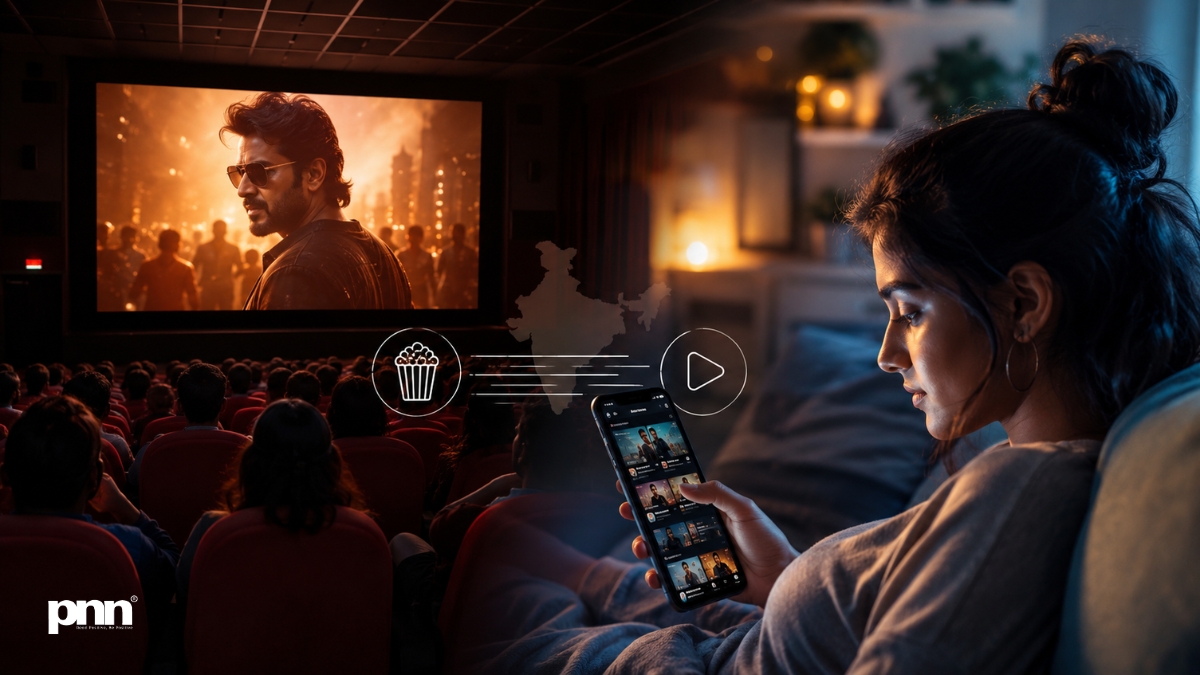
Mumbai (Maharashtra) [India], July 28: Picture this: a Friday night in a small Indian town, and the old single-screen theatre is…quiet. Not sold out. Just not what it used to be. Fifteen years back, the idea of empty seats for a big release would’ve sounded nuts. These days, you can stroll past those old Raj Mandir–style cinemas in Jaipur or Kanpur and find them running at only a third of their former crowd, even for films that used to guarantee a full house. It’s not that India fell out of love with movies. The relationship just…shifted.
For generations, going to the cinema in India wasn’t simply about watching a film. It was an event, almost sacred. Families would plan entire afternoons around it. College students would lose their minds to snag a “first-day-first-show” ticket. Those old single screens? They weren’t just movie halls. They were local gathering spots. Opening weekends would turn into small-town news, endlessly debated over chai. That old ritual isn’t gone, but it’s shrunk down now — reserved for the big moments: Shah Rukh Khan’s new release, a Rajinikanth storm, maybe Bollywood’s latest Marvel import. Everything else has moved on.
So, where did everyone go?
Streaming, right? Sort of. Platforms like Netflix, Prime Video, JioCinema, SonyLIV — they’ve pulled in massive audiences, sure. But there’s a deeper story in how people are watching now. It’s not sit-down, two-and-a-half-hour marathons on the couch. Most folks under 30 are slicing movies up: twenty minutes on the train, ten before bed, final act watched on YouTube via a ‘recap’ three days later.
It’s not about getting lazy or not being able to focus. People just have too many options, all the time. Any moment could be busted up by a quick cricket highlight, a WhatsApp ping, or another episode waiting somewhere else. The film on your screen has to battle way more distractions than it ever did when “movie night” meant just that – the movie, and nothing else.
The multiplex paradox
Then you’ve got multiplexes — and this is interesting — they’re not dying out like the single screens. Chains like PVR Inox went big and bold: fewer movies, steeper ticket prices, and every outing is marketed like an event. Old classics are back on giant screens. So if you watched Sholay on TV as a kid, now there’s a chance to relive it with a crowd — impossible to recreate at home. Multiplexes survived not by becoming routine, but by turning into an occasional treat. Seeing a film there now feels more like heading out for a concert or a cricket match, not just passing a slow weekend.
This way of thinking changed what films are “theatrical worthy.” Those cozy, mid-budget family dramas that would’ve opened on 1,000 screens? Now they’re lucky if they get 300. People don’t feel like they have to catch everything in theatres. Only films promising spectacle — massive action, wild fandom, that “you had to be there” feeling — earn your trip out.
The South’s quiet dominance
There’s more: Bollywood doesn’t call all the shots anymore. South Indian cinema, especially Telugu and Tamil blockbusters like Pushpa, KGF, and RRR, have knocked Hindi films out of their old spot on top. These movies are wild rides, changing what Indian audiences expect from something “big.” Bollywood chased the trend. Now, big Hindi movies borrow the South’s style — big, loud, proud — while smaller Hindi stories head to streaming, where sharp writing and talky, character-driven tales still pull people in.
What the music tells us
Music is part of this shift too. Remember when a Hindi movie’s album would drop weeks before the film, each song building the hype over time? Now it’s one breakout hit. The rest is background. “Kesariya” from Brahmastra got huge all on its own, even if barely anyone stuck around for the film. Singles rule; full albums, not so much.
A different kind of audience, not a smaller one
But here’s the twist: people aren’t watching fewer movies or less TV. If anything, we’re devouring more — on YouTube, on streaming, in chunks, on phones, at theatres. The difference is the loyalty. Audiences just don’t pledge themselves to one film or one ritual anymore. It’s more like sampling, dipping in and out as it suits.
For the industry, that’s the real challenge. You can’t bank on a captive, loyal audience. Theatres that survive won’t win by showing more stuff. They’ll survive by figuring out what can never occur on a laptop — and giving you reasons, real ones, to leave the couch when it truly matters.
