

Key Highlights
- Reduced Dependence on Diesel: Subsidized solar water pumps under central and state initiatives significantly lower recurring operational costs for off-grid farmers.
- Daytime Irrigation Assurance: Solar-powered pumps provide reliable, daytime irrigation, eliminating the need for night-time watering or dependence on unpredictable grid electricity schedules.
- High Financial Subsidies: Key programs like PM-KUSUM offer up to 60% to 90% in combined central and state subsidies, making solar setups affordable for small and marginal landholders.
- Additional Revenue Opportunities: Grid-connected solar setups allow farmers to generate clean energy and sell surplus electricity back to local discoms, converting unused land into an active income stream.
- Long-Term Sustainability: Clean solar energy reduces carbon emissions in agriculture while building climate resilience across rural communities.
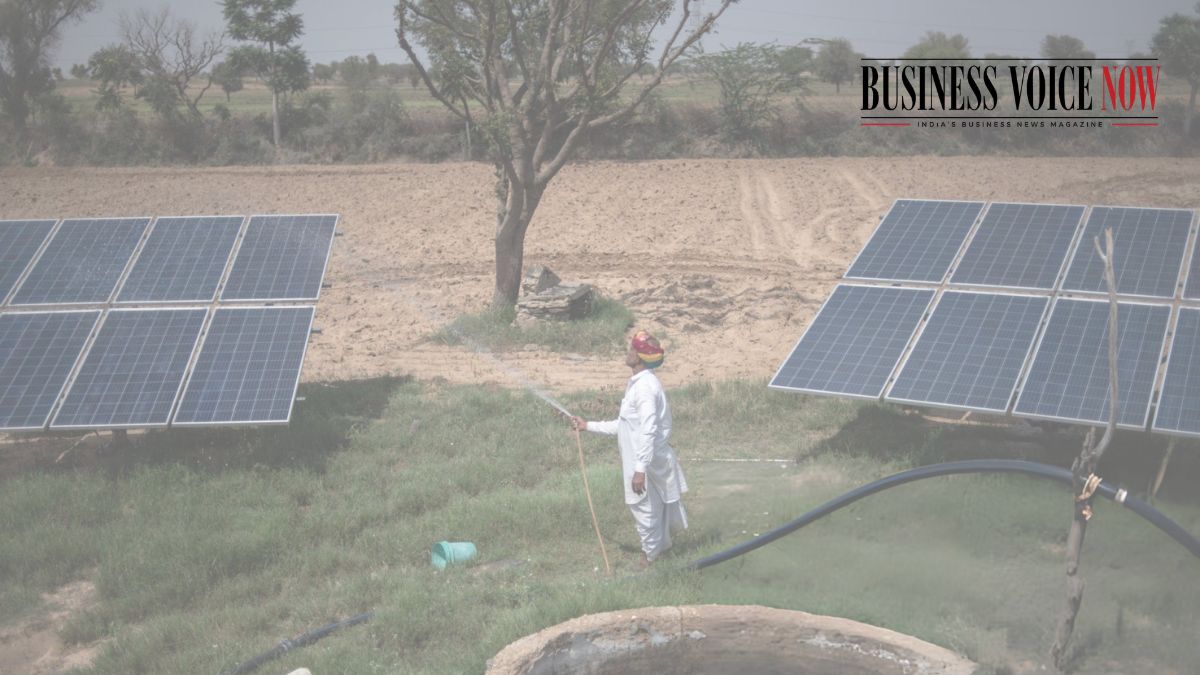
For years, Indian farmers struggled with unreliable electricity, high diesel costs for irrigation, and environmental harm from using fossil fuels. Now, with the spread of decentralized solar energy, things are changing. Farmers are moving away from fuel dependence and gaining more control over their energy needs. While solar power helps India meet its climate goals, it is farmers who benefit the most. Thanks to supportive policies, generous subsidies, and creative land use, both small and large farmers are turning old challenges into steady profits.
Financial Benefits of De-Dieselization and Solar Irrigation
Replacing expensive diesel pumps with off-grid solar systems is helping stabilize rural finances. Programs like Component B of the Pradhan Mantri Kisan Urja Suraksha (PM-KUSUM), started in 2019 and running until March 2026, have made it easier for farmers to adopt this technology. Central and state subsidies now cover up to 60% of the system cost, and in North Eastern and hilly states, central support can reach 50%. Farmers can also get low-interest loans for up to 30% of the cost, so they only need to pay about 10% themselves.
This means a farmer pays about ₹18,000 to ₹35,000 upfront for a 3 to 5 HP solar pump, which usually costs between ₹1.8 lakh and ₹3.5 lakh. Switching from diesel to solar brings significant financial benefits.
| Metric / Parameter | 5 HP Diesel Pumping System | 5 HP PM-KUSUM Solar Pumping System |
| Upfront Capital Outlay (Farmer Share) | ₹40,000 – ₹60,000 (Pump set only) | ₹25,000 – ₹35,000 (10% of total system cost) |
| Annual Operational / Fuel Expenditure | ₹80,000 – ₹1,20,000 (Diesel fuel costs) | ₹0 (Solar radiation powered) |
| Annual Maintenance Expense | ₹8,000 – ₹15,000 | ₹2,000 – ₹4,000 |
| Capital Payback Horizon | Ongoing continuous expenditure | Under 4 months |
| System Operational Lifespan | 8 – 12 years | 25 years |
| Net Annual Operational Savings | Baseline reference | ₹80,000 – ₹1,30,000 |
By cutting out diesel costs, farmers save between ₹80,000 and ₹1,30,000 each year for every 5 HP solar pump. Because the upfront payment is low, they recover their investment in less than four months, which is one of the quickest payback times for energy projects in developing countries. Over 25 years, these savings help farmers avoid rising fuel prices and increase their household income.
Macroeconomic and Policy Outlook for Agrarian Sustainability
Widespread use of solar energy in farming brings benefits across energy, water, and food systems in rural areas. For power companies, having solar generation close to where it is used cuts down on energy losses and reduces the need for state subsidies. Distribution companies get incentives of ₹0.40 per unit of solar power they buy, or up to ₹6.6 lakh per megawatt installed over five years. Solar pumps also have monitoring systems that give real-time data to state agencies, helping them track water use and manage groundwater more sustainably.
In summary, solar power is helping rural India grow economically over the long term. Lower costs from subsidies, new ways to earn money through land leases and selling power, and safer daytime irrigation all make farming more productive and stable for Indian farmers.
